
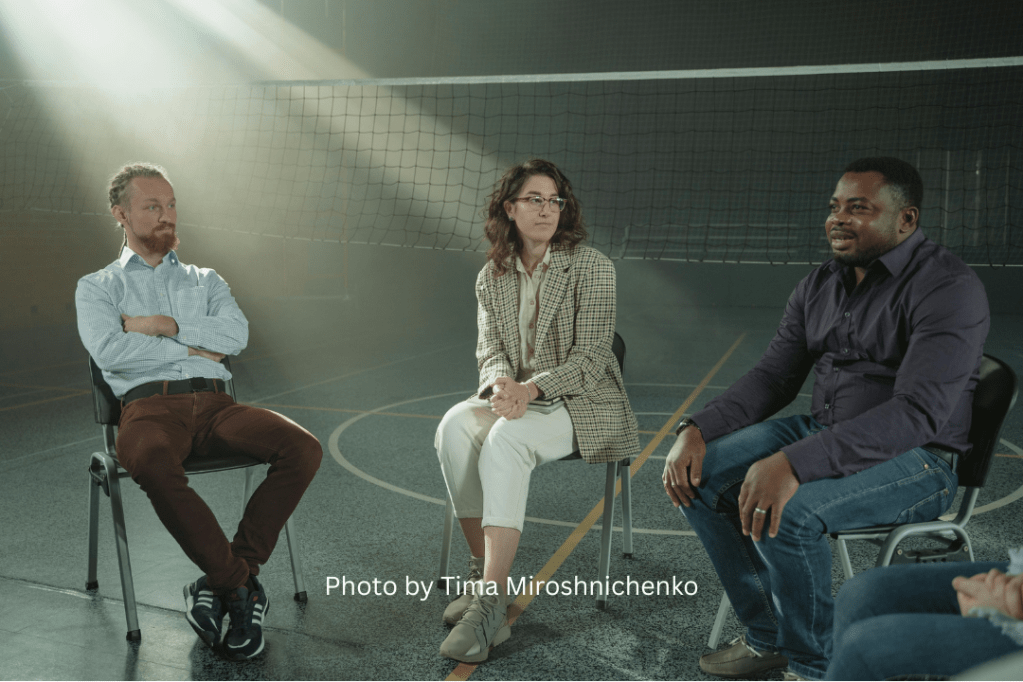
Being diagnosed with any chronic illness makes you feel separated from the world you were once embedded in. You feel left out of things you used to take for granted. It often leaves you feeling isolated, like nobody understands your new life and the grief of losing your old sense of self. This isolation can make it hard to process what you’re going through and build a new life around your limitations.
When I got sick with Crohn’s disease I wasn’t able to do much of what I enjoyed before. I developed intense joint pain throughout my body, especially in my knees. I used to be an avid hiker. Then I suddenly couldn’t walk a quarter mile without being in severe pain for days. I used to play guitar at open mic nights nearby my house. My fingers suddenly lost their dexterity until I couldn’t play anymore. I had to stop doing many things that I loved. I felt like nobody could fully understand what I was going through. My partner, family, and friends were caring and supportive, but I felt like I no longer connected with them in the same way. I felt like they no longer understood me. Finding a support group where I was able to meet and talk with other people with IBD was revolutionary for me. I finally found a group that wasn’t grossed out when I talked about having to poop 20 times a day and understood the fatigue that hits out of nowhere and has you nodding off wherever you are like a toddler. Finding people like me that I could connect with was a game changer in recovering a sense of belonging. I’m not the only one dealing with a multitude of gastrointestinal symptoms. I’m not the only one with joint pain, fatigue, weight loss, and crazy side effects from medications that are keeping me otherwise healthier. You are also not alone. If you or someone you know is struggling to deal with IBD alone here are a few ways to find support and to connect with others who understand what you’re going through:
Crohn’s and Colitis Foundation
The Crohn’s and Colitis foundation isn’t just about raising money for research or providing information about all aspects of living with IBD, they’re also a great place to look for support with your illness. Their support group search feature allows you to search for IBD support groups across the USA. There are also local C&C chapters that offer events and support on a local level in many places throughout the country.
Check out the C&C support groups here!
The Crohn’s and Colitis Foundation has another support program called the Power of 2 to provide one-on-one support. This is a great resource for recently diagnosed IBDers. Power of 2 connects you with an individual mentor who has been through the ups and downs of Crohn’s and/or Colitis. This one-on-one approach can feel like someone is coaching you through the adjustments, trials, and tribulations that come with an IBD diagnosis. They can help you prepare for gastroenterology appointments, determine diet plans that might help your symptoms, give you tips and tricks, and more. You can also volunteer to become a mentor once you feel that you have a good grasp of your disease and are ready to help others. They can’t give medical advice, but they can provide advice and wisdom.
Check out the Power of 2 program here!
Connecting to Cure Crohn’s and Colitis
This site provides multiple support group options. There are virtual support groups for people with IBD, but there are also support groups for caregivers, kids and siblings of IBD sufferers, and even virtual group workouts that are IBD friendly.
Check out the Connecting to Cure Crohn’s and Colitis support groups here!
Connecting to Cure Crohn’s and Colitis also has a one-on-one support system similar to the Crohn’s and Colitis foundation’s Power of 2 program. The difference is that Connecting to Cure’s mentorship program is for teens and young adults. Both the mentors and the mentees should be teens or young adults. It looks like a great resource for teens, who will have a particularly difficult time adjusting to new limitations.
Check out the Connecting to Cure Crohn’s and Colitis mentorship program here!
Nationwide Children’s Hospital:
For Families with Children Diagnosed with IBD
Nationwide Children’s Hospital has another one-on-one style mentorship program, but this one is designed for families (especially parents) to get support together when their child becomes ill. This one’s not just for IBD patients, but for all sorts of children’s medical diagnoses. They match you with a mentor who is a parent of a child with a similar diagnosis. This can help you understand what your child is going through and what to expect with their treatment.
Check out the Nationwide Children’s Hospital program here!
Color of GI:
For Black, Indigenous, and People of Color
Color of Gi is a website dedicated to providing resources and support for Black, Indigenous, and people of color with IBD and digestive illnesses. There is a support group called Together IBD that is specifically for people of color to find support with chronic digestive illnesses. There is also a group just for men, and a chat options among many other resources.
Check out the Color of GI Together IBD program here!
Facebook Groups
There are many Facebook groups for people with IBD. Some are more specialized and focus on one smaller group like people with ostomies or people who are newly diagnosed. There are also groups for specific diets, medications, etc. These aren’t quite as personable as virtual or in-person groups, but they are a great place to read stories from other people and ask questions in between GI appointments. I’d recommend checking them out but, like any information online, you should do your own research and consult your doctor about medical questions. Not everyone will respond to the same diets, medications, etc., and some people online do not give the most accurate advice. So, tread carefully but much of what you will see is accurate, and getting to hear what other people have experienced is a great way to feel more supported and understood.
Here’s a link to Facebook.com, though you will need an account to access groups.
No matter how you find support with an IBD diagnosis the important part is knowing that you’re not alone. There are millions of other people in the world with IBD. There are people suffering through the same struggles as you. You can make it through this! You don’t have to do it all alone. I hope you’ll check out these support resources and/or recommend them to the IBDers in your life.



 Rewrite Crohn's
Leave a comment